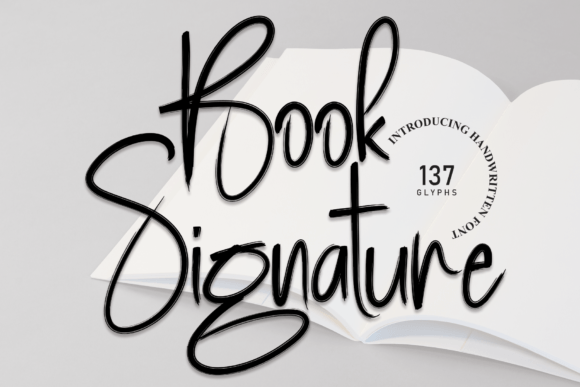
Book Signature: A Flowing Font for Authentic Design
There’s a particular kind of typeface that does more than just hold words—it adds a layer of human warmth and authenticity to a design. It’s the font that looks like it was penned with care, not generated by a machine. That’s the feeling you get when you first encounter Book Signature. It’s a premium script font that manages to be both delicate and impactful, offering an elegant, flowing style that feels genuinely handwritten. This isn't just another decorative typeface; it's a versatile design asset with a well-balanced character set that can elevate a wide range of creative projects.
Understanding the Personality of Book Signature
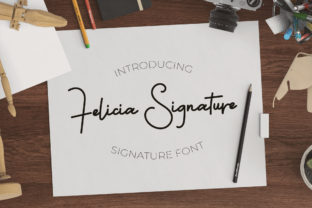
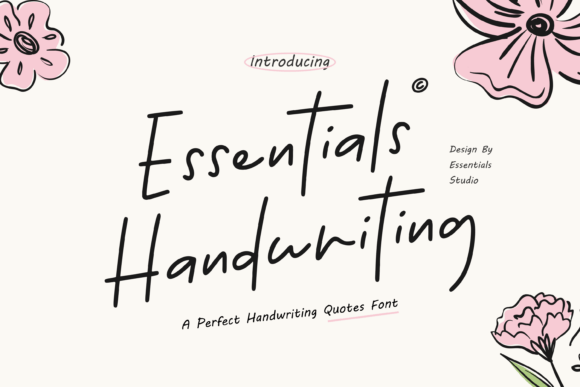
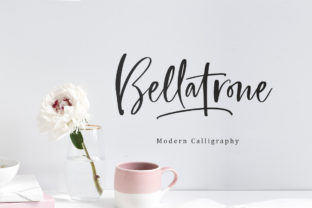
At its core, Book Signature is a modern handwritten font with a classic sensibility. Its visual characteristics are defined by smooth, connected letterforms and a natural, slightly varied baseline that mimics the organic flow of ink on paper. The strokes are delicate without being frail, and the overall rhythm of the text is balanced and easy on the eyes. It avoids the extremes of being too casual or too formal, landing in a sweet spot that feels both personal and polished. This balance is its greatest strength, making it a surprisingly adaptable creative font for both personal and commercial use.
The personality of this typeface is one of approachable elegance. It conveys warmth, creativity, and a touch of sophistication. Think of a beautifully written invitation, a heartfelt thank-you note, or the title on a bestselling novel’s cover. Book Signature carries that same sense of intention and care. It’s a font that speaks to craftsmanship, making it ideal for projects where you want to build a connection with your audience. It doesn’t shout; it whispers with confidence, drawing the viewer in with its graceful curves and harmonious composition.
Where This Flowing Font Truly Shines
The practical applications for a font like Book Signature are extensive, spanning both digital and print landscapes. Its versatility is what makes it a valuable tool in a designer's toolkit. For branding and logo design, it can instantly inject personality. A small business owner, like a boutique baker, artisan jeweler, or independent consultant, can use it to create a logo that feels intimate and trustworthy. Paired with a clean serif font or a simple sans serif font for body text, it establishes a clear and appealing visual hierarchy.
In the world of publishing and editorial design, Book Signature is a natural fit. It works beautifully for chapter headings, pull quotes, and title pages in books, magazines, and lookbooks. Its flowing style adds a narrative quality that complements literary and lifestyle content. For packaging design, especially for products like cosmetics, gourmet foods, or handmade goods, this typeface can communicate a sense of premium quality and artisanal care. The script font style suggests something made with passion, which can significantly influence brand perception on a crowded shelf.
Digital spaces benefit just as much. For web design, Book Signature can be used sparingly for hero section headlines, call-to-action buttons, or author bylines to add a touch of humanity. It’s particularly effective for social media graphics, where standing out in a fast-scrolling feed is crucial. Using it for quotes, announcements, or sale promotions on platforms like Instagram or Pinterest can boost audience engagement and make your content feel more curated and professional. For crafters and hobbyists, it’s perfect for creating personalized gifts, wedding stationery, or digital planners.
Practical Guidance for Using Book Signature Effectively
Choosing the right font is only half the battle; using it well is what makes a project successful. The first step is to evaluate if Book Signature is the right fit. Ask yourself: does the project need a human touch? Is the goal to feel personal, elegant, or creative? If you’re designing a technical manual or a minimalist tech startup’s website, this might not be the primary typeface. But for a wedding invitation, a blog header, or a coffee shop menu, it’s an excellent choice.
One of the most important considerations with any script font is readability. Book Signature is designed with clarity in mind, but it’s still best used for headlines, short phrases, and accents rather than long blocks of body text. Reserve it for moments where you want to make a stylistic statement. A common and effective practice is font pairing. Combine Book Signature with a highly legible serif font like Georgia or a modern sans serif font like Montserrat. This creates a dynamic contrast that guides the reader’s eye and establishes a professional typographic system.
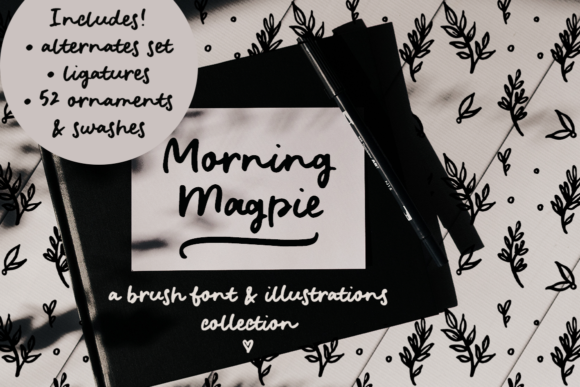
Before you commit, take time to review the included styles and glyphs. A quality premium font often includes alternate characters, ligatures, and stylistic sets. These features allow you to customize the look of the text, ensuring letters connect smoothly and avoiding repetitive shapes. This level of detail is what separates a good design from a great one. Finally, always check the licensing. If your project is commercial—whether it’s a client’s logo, merchandise, or a paid digital product—you need to ensure you have the correct commercial font license. This protects both you and the font creator and is a standard part of professional practice.
Ultimately, a typeface like Book Signature is more than just a collection of letters. It’s a tool for storytelling. By understanding its strengths and applying it thoughtfully, you can create designs that are not only visually appealing but also resonate on a deeper level with your intended audience. It’s about using typography to build a brand identity that feels authentic, memorable, and genuinely human.